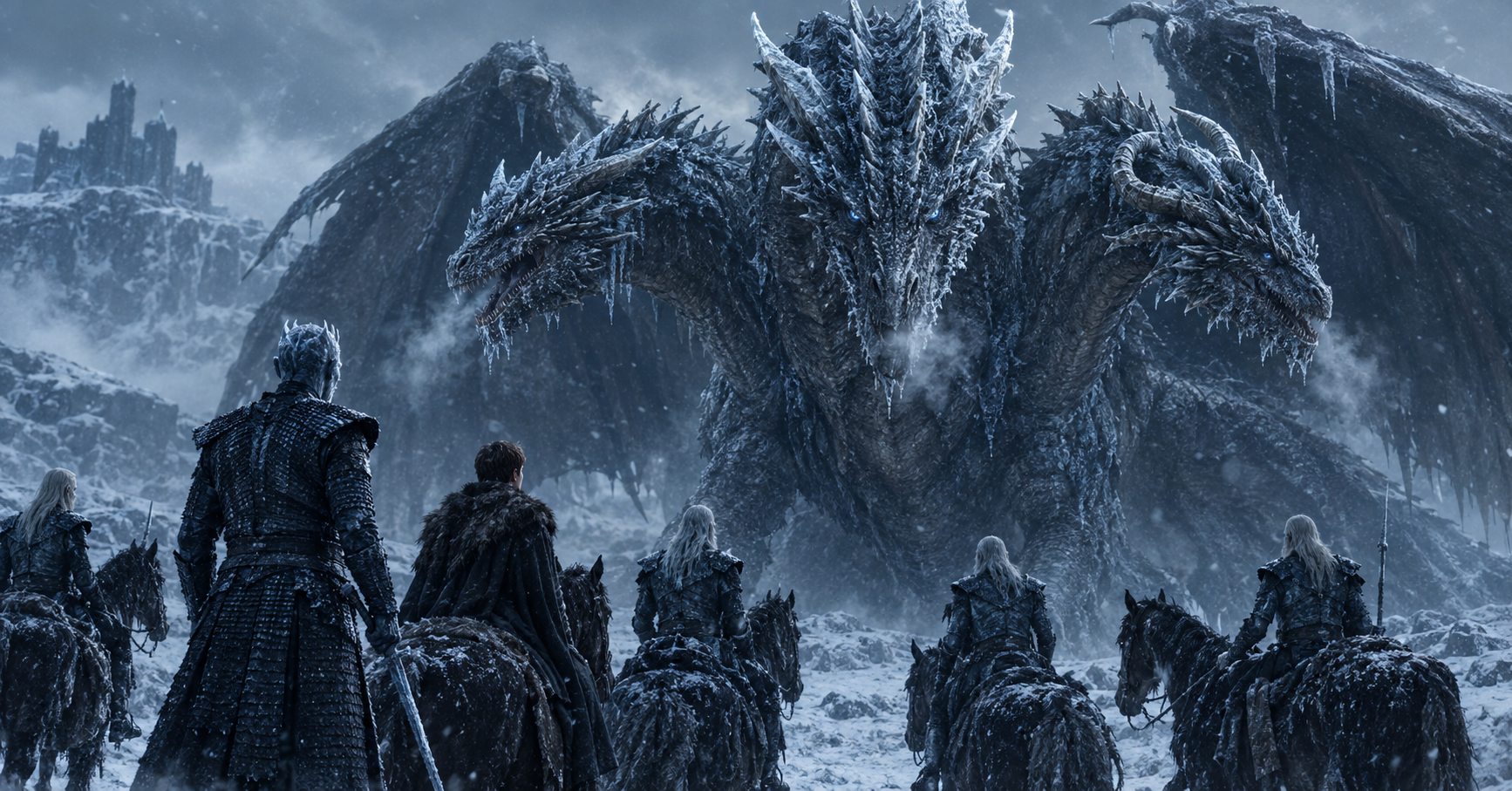
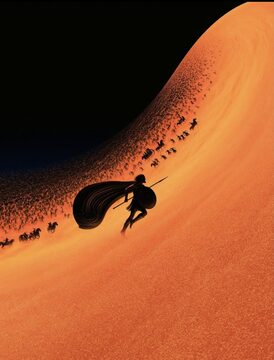
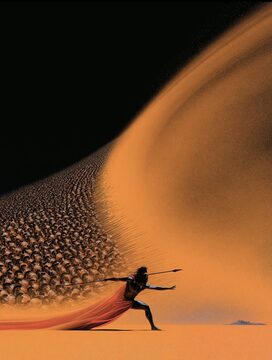
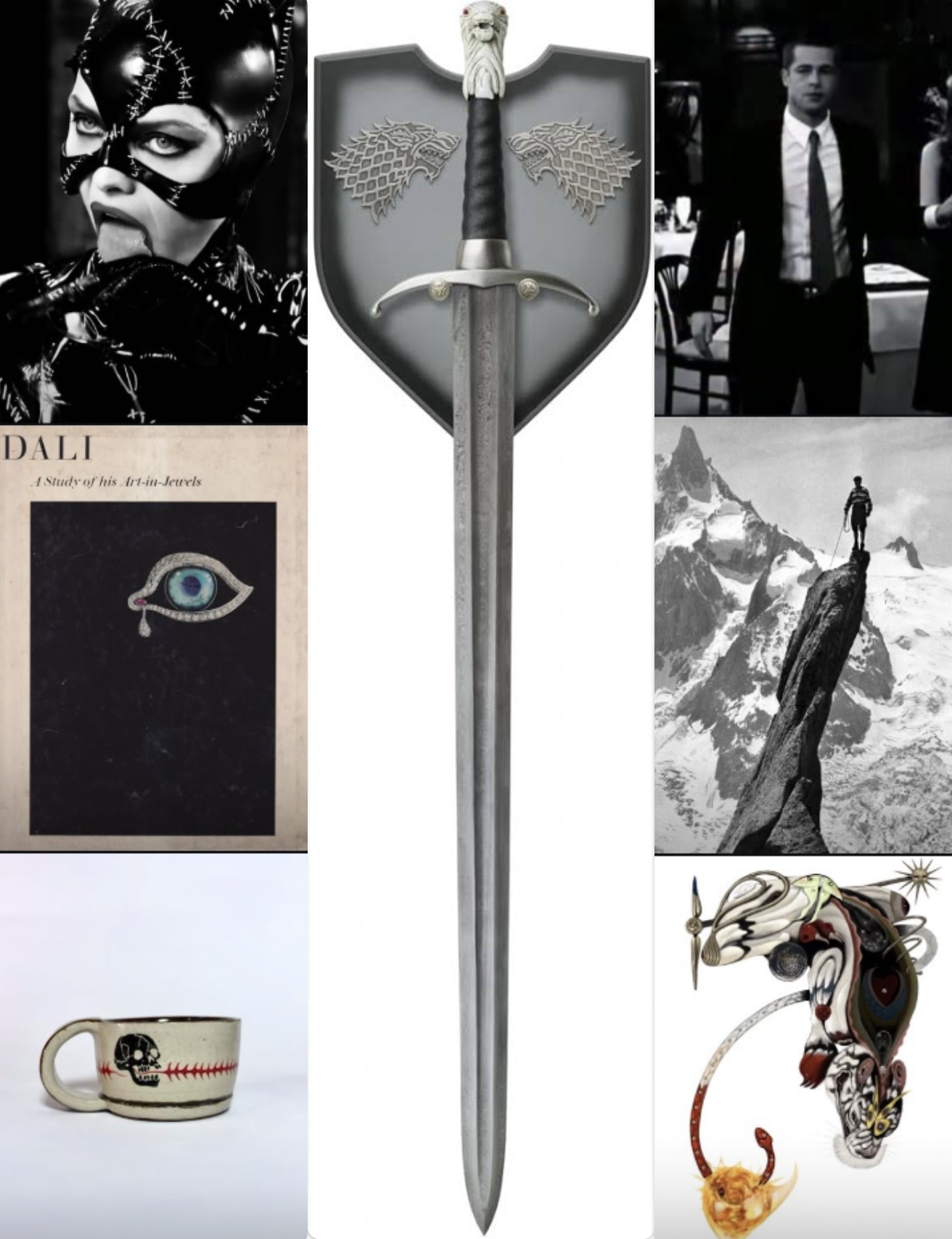
“The true enemy won't wait out the storm. He brings the storm. ― Jon Snow(The Bastard of Winterfell) regarding the Night King”
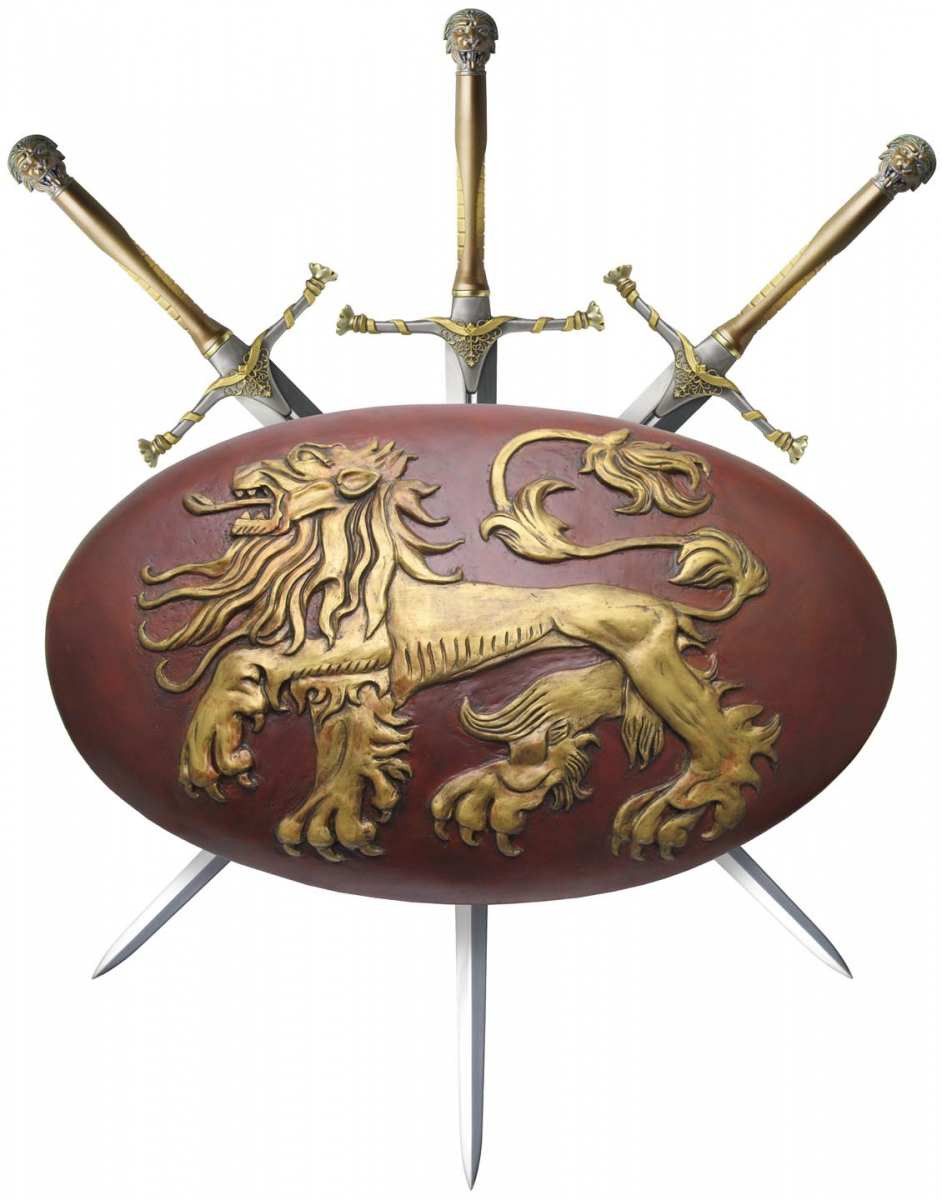
“Hear Me Roar.”
“Your lightsabers will make a fine addition to my collection!.”
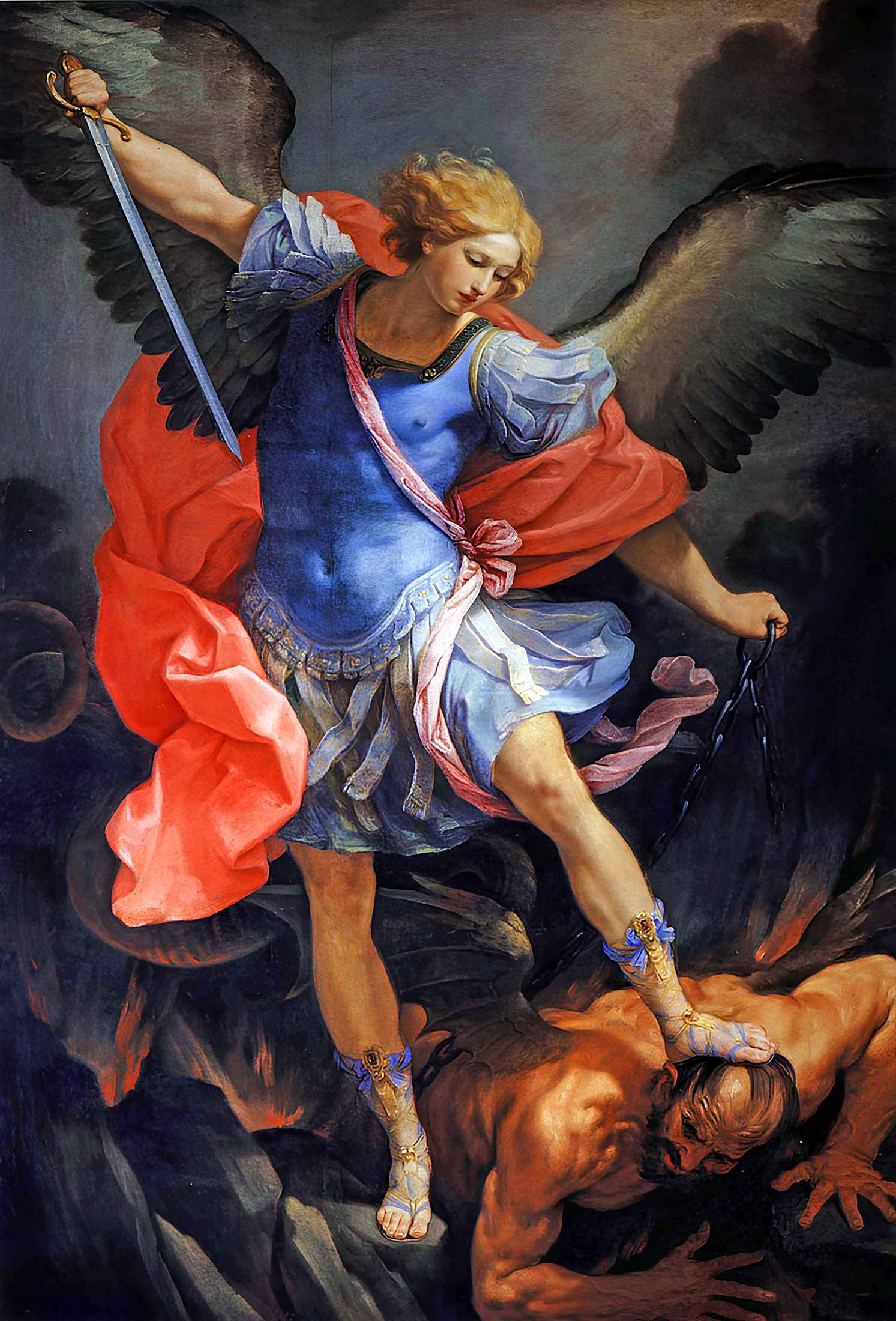
“Psalm: 91:1 He that dwelleth in the secret place of the most High shall abide under the shadow of the Almighty.”
“It is a fact of ‘the human condition’ that we Homo
sapiens, not being gods, do not enjoy absolute knowledge – what
individuals or even entire societies can know with certainty about the
universe is profoundly limited. The human world therefore is full of
opinions, many of them in conflict, and it can be hard to tell the
difference between truth and mere belief. Rather than despairing at the
possibility of ever arriving at truth, we need a philosophical method that
can help us to navigate the wealth of available opinion and work out what
is true and what is not.”
“ - Hads — ᾍδης (Háidēs). Eldest son of Cronus; King of the Underworld and lord of the dead and of the riches beneath the earth. His Roman equivalent is Pluto.”
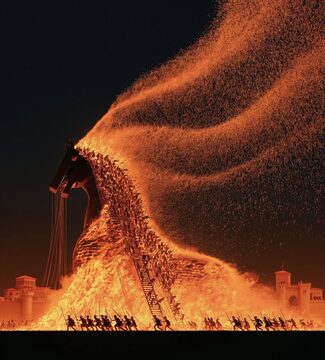
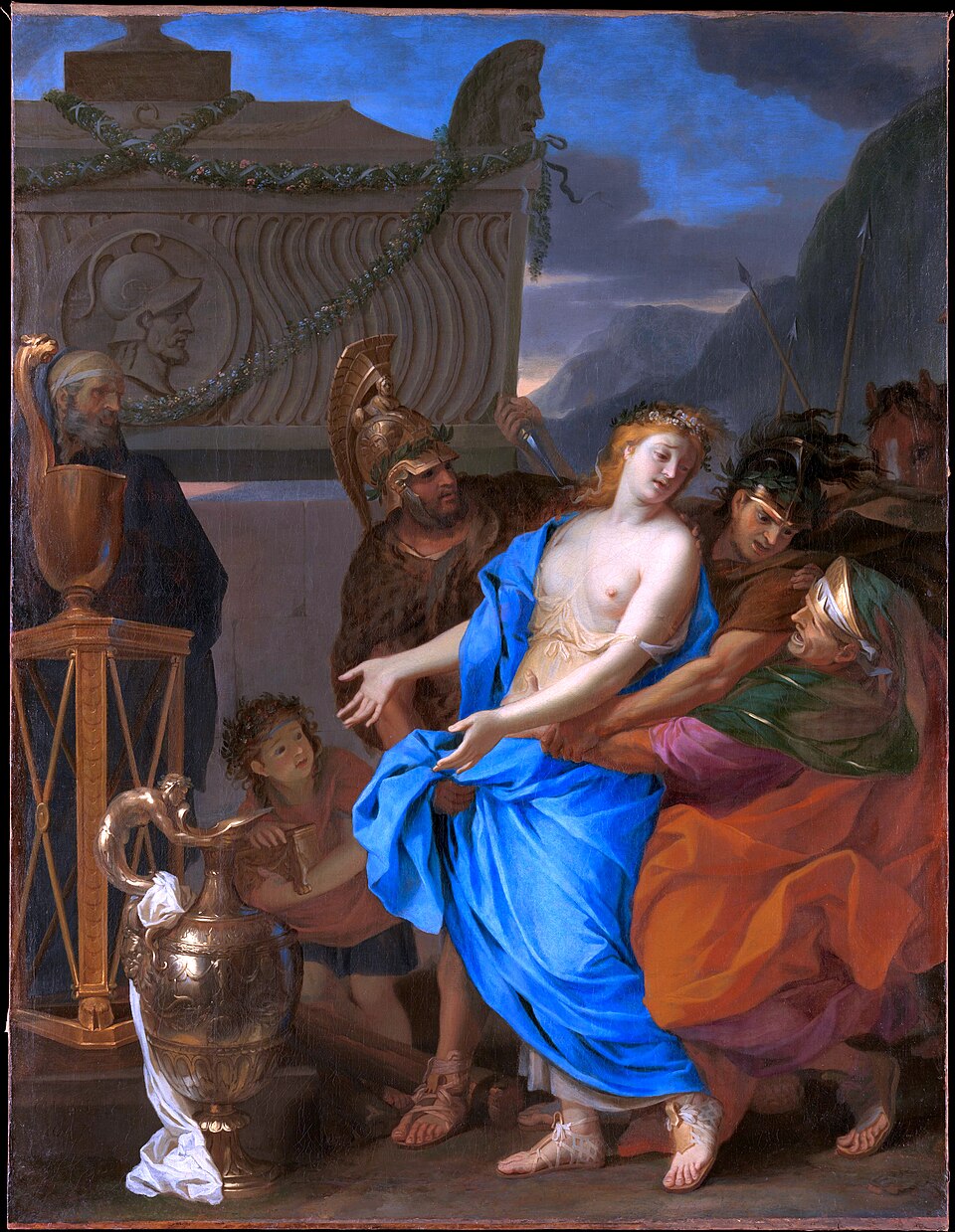
“The Sacrifice of Polyxena, 1647, by Charles Le Brun, Metropolitan Museum of Art”
“Some claimed Polyxena committed suicide after Achilles' death out of guilt.[6] According to Euripides, however, in his plays The Trojan Women and Hecuba, Polyxena's famous death was caused at the end of the Trojan War. Achilles' ghost had come back to the Greeks to demand the human sacrifice of Polyxena so as to appease the wind needed to set sail back to Hellas.”
“Historical context”
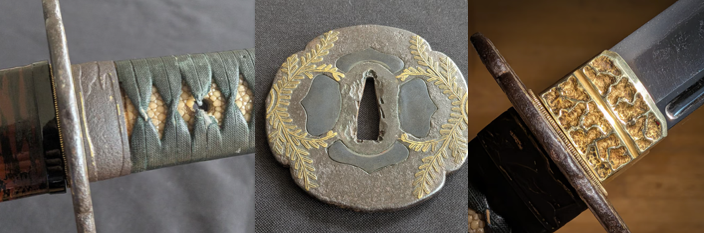
“The Muromachi period (1392 to 1573)
The Ashikaga shoguns ruled from the Muromachi district of Kyōto, patrons of an astonishing cultural flowering, the Golden Pavilion, noh drama, the tea ceremony, and of a political order that slowly lost its grip. In 1467 the Ōnin War burned the capital and broke the system; the century that followed, the Sengoku or Warring States era, put nearly every province in Japan under arms.
For the sword trade these were transforming times. Fighting on foot in massed formations favored the uchigatana, worn edge-up through the sash, the ancestor of the katana and of the paired daishō; war on a Sengoku scale demanded quantity, and the great centers at Osafune in Bizen and Seki in Mino organized what can fairly be called industries, producing bundle swords for the ranks alongside custom orders for commanders. Overseas, the official trade with Ming China carried Japanese blades abroad by the tens of thousands, one of early Japan’s signature exports. The period rewards a discriminating eye: routine work exists in quantity, and beside it stand custom blades as fine as anything their houses ever made. ”
“
Diego Rivera (Mexican, 1886–1957). Portrait of Natasha Gelman, 1943. Oil on canvas, 45 1/4 x 60 1/4 in. The Jacques and Natasha Gelman Collection of 20th Century Mexican Art and the Vergel Foundation. 2019 Banco de México Diego Rivera Frida Kahlo Museums Trust, Mexico City / Artists Rights Society (ARS), New York ”
“
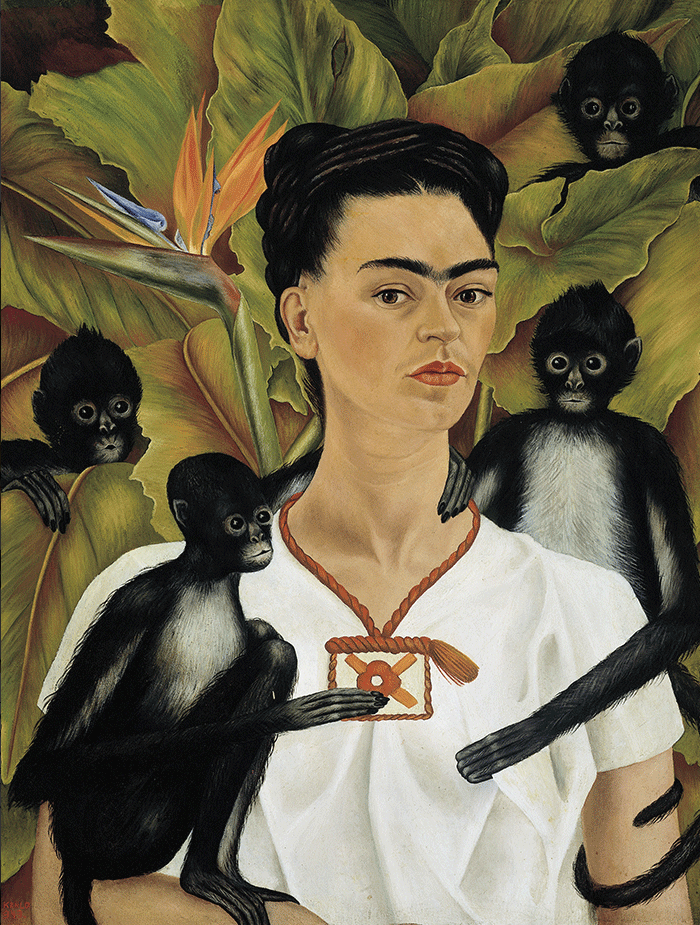
Frida Kahlo (Mexican, 1907–1954). Self-Portrait with Monkeys, 1943. Oil on canvas, 32 1/8 x 24 3/4 in. The Jacques and Natasha Gelman Collection of 20th Century Mexican Art and the Vergel Foundation. 2019 Banco de México Diego Rivera Frida Kahlo Museums Trust, Mexico City / Artists Rights Society (ARS), New York ”
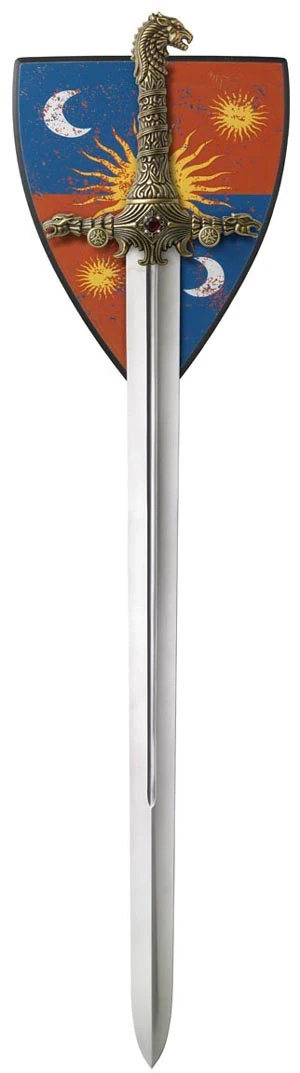
“Heartsbane has been passed down for centuries to the heir of House Tarly of Horn Hill. Prior to the events of A Song of Ice and Fire, the only mention of Heartsbane was of Savage Sam Tarly using it during the time of Aenys I Targaryen. At that time, the Targaryen kings were trying to take over Dorne, and Savage Sam used Heartsbane to slay several Dornishmen in a campaign called the Vulture Hunt.”
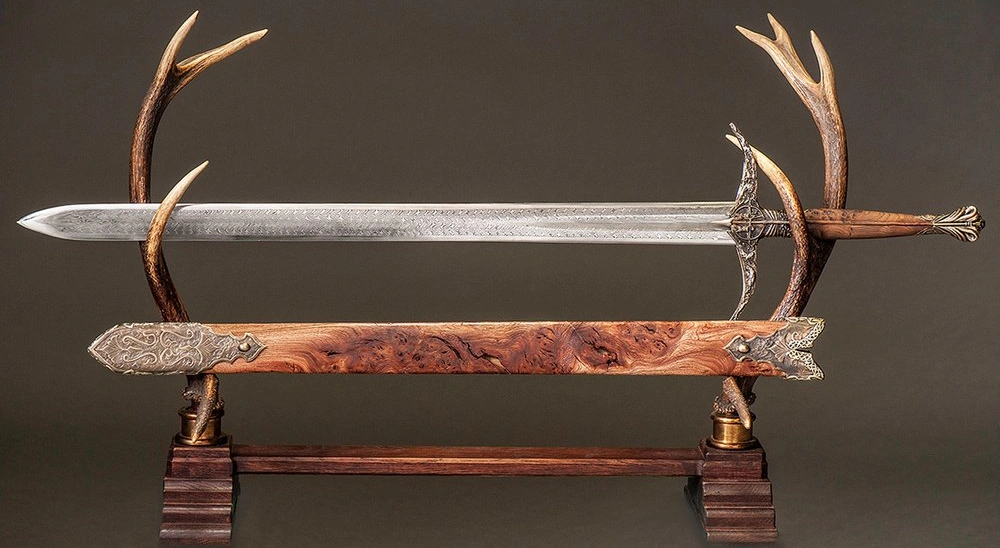
“It was reforged from Ned Stark's sword. You'll use it to defend Ned Stark's daughter. ―Jaime Lannister to Brienne of Tarth. Oathkeeper is one of two Valyrian steel longswords made from Ice, the greatsword of House Stark. Its sister blade is Widow's Wail. ”
“The name Ghana comes from Wagadu AKA Wakanda (ECOWAS), an empire in west Africa from the 3rd to 12th centuries; Wagadu was termed Ghana by Arab traders involved in the trans-Saharan trade.”
“Dance of Death Representing the universality of death”
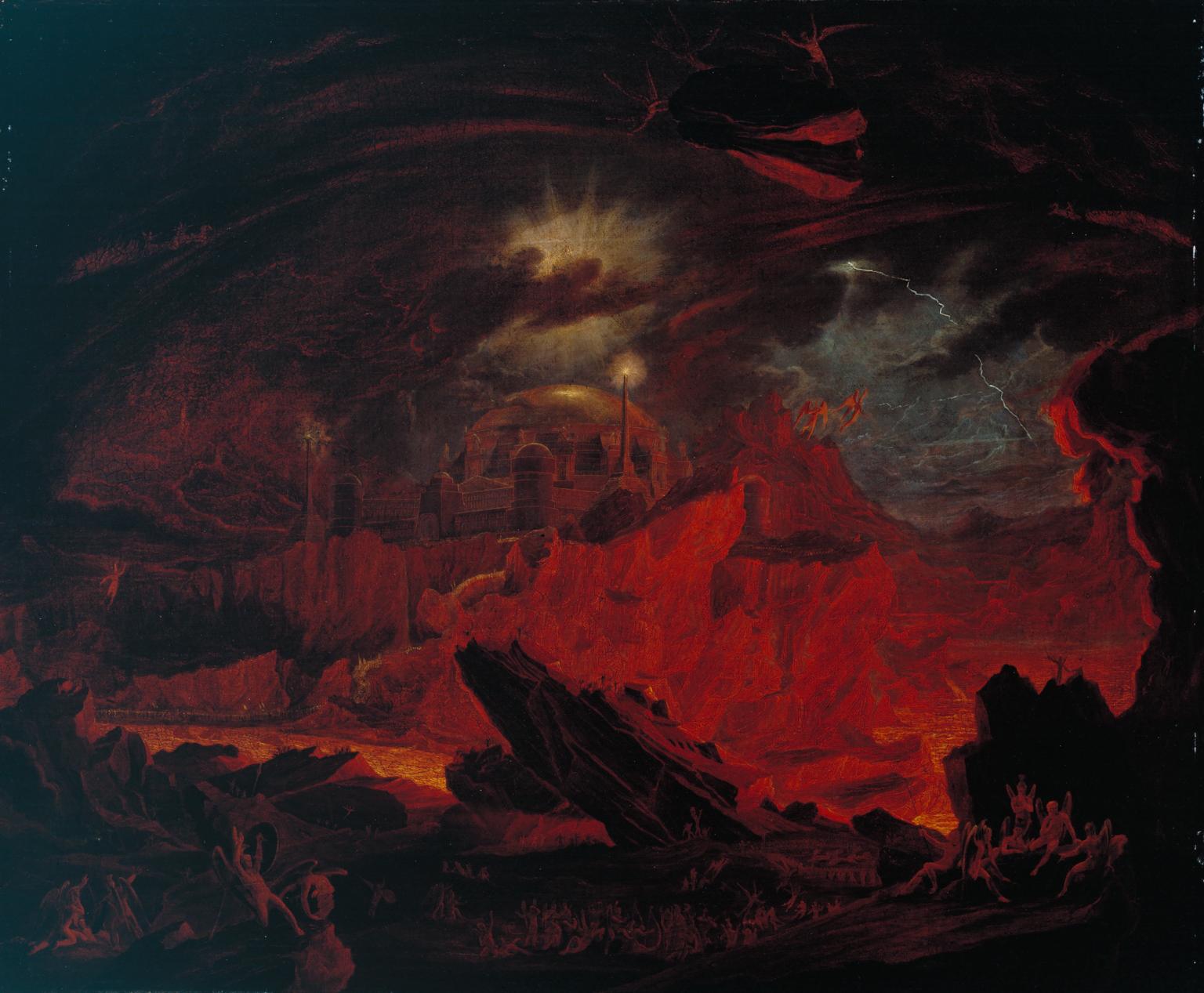
“Fallen angels in Hell”
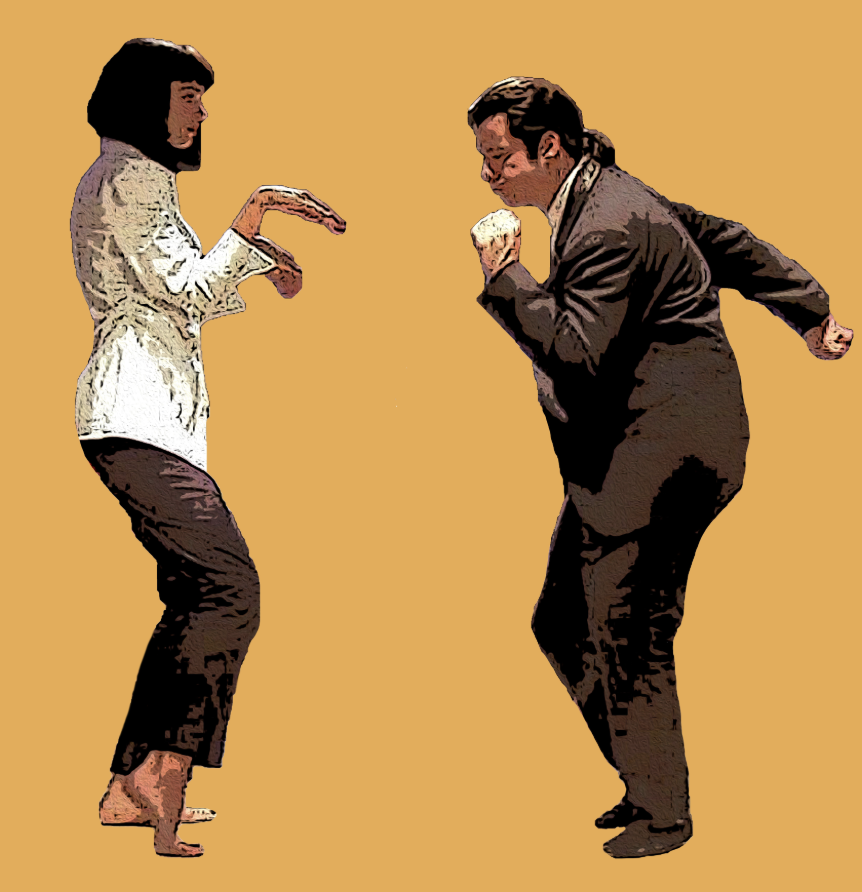
“[JULES]
Ezekiel 25:17?
The path of the righteous man is beset on all sides by the inequities of the selfish and the tyranny of evil men.
Blessed is he who, in the name of charity and good will, shepherds the weak through the valley of darkness, for he is truly his brother's keeper and the finder of lost children.
And I will strike down upon thee with great vengeance and furious anger those who attempt to poison and destroy my brothers.
And you will know my name is the Lord, when I lay my vengeance upon thee.
[BRETT]
No!
(Gunshots)”
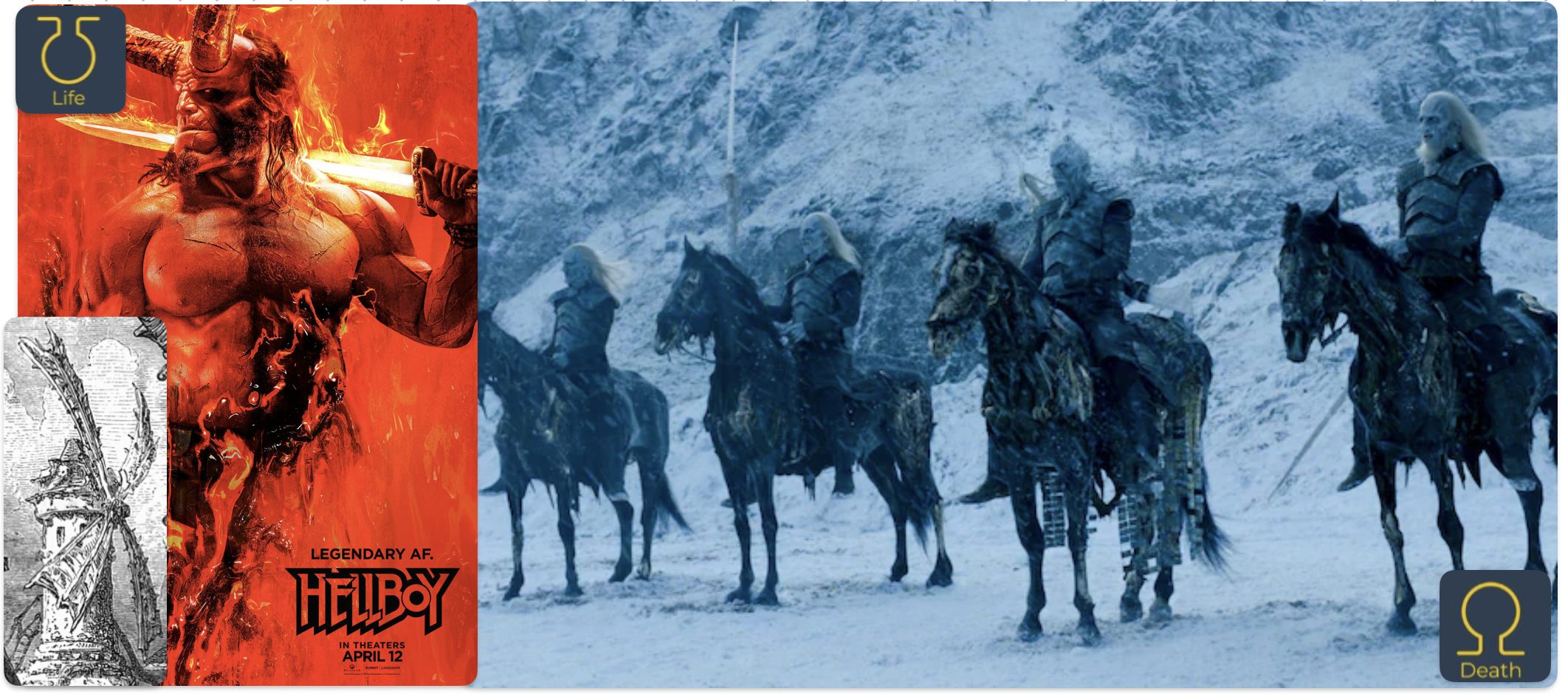
“Winter is Coming”
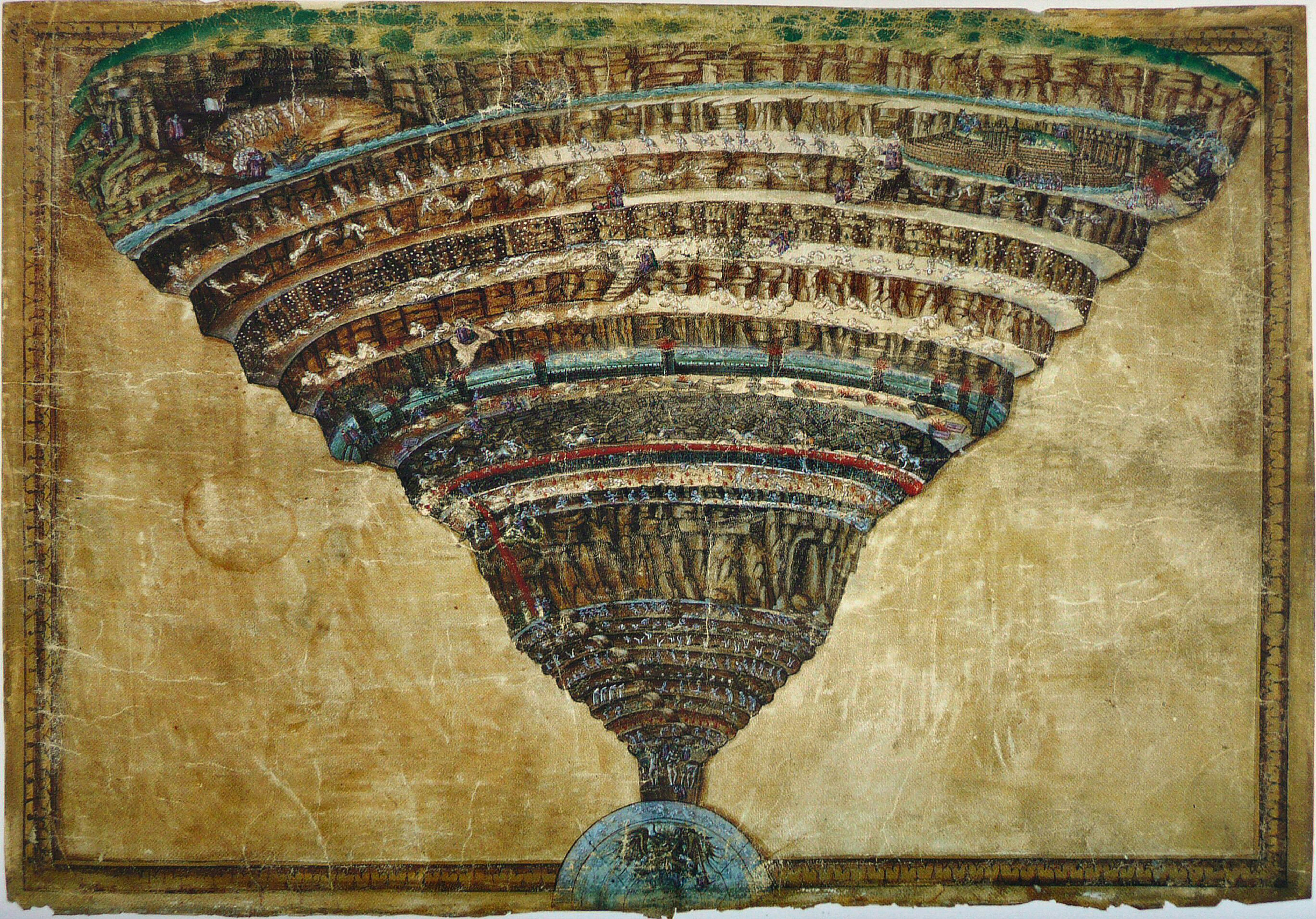
“Inferno (Italian: [iɱˈfɛrno]; Italian for 'Hell') is the first part of the Italian writer Dante Alighieri's 14th-century narrative poem the Divine Comedy, followed by Purgatorio and Paradiso.”
“Professor Trevor 'Broom' Bruttenholm: 1937: Hitler joins the Thule Society, a group of German aristocrats obsessed with the occult. In 1938, he acquired the spear of Longinus, which pierced the side of Christ. He who holds it becomes invincible. Hitler's power increases tenfold. 1943: President Roosevelt decides to fight back. The Bureau of Paranormal Research and Defense is born. 1958: the Occult Wars finally come to an end with the death of Adolf Hitler. John Myers: 1945, you mean. Hitler died in '45. Professor Trevor 'Broom' Bruttenholm: [amused] Did he now?”
“Psalm: 91:16 With long life will I satisfy him, and shew him my salvation .”